문제Problem
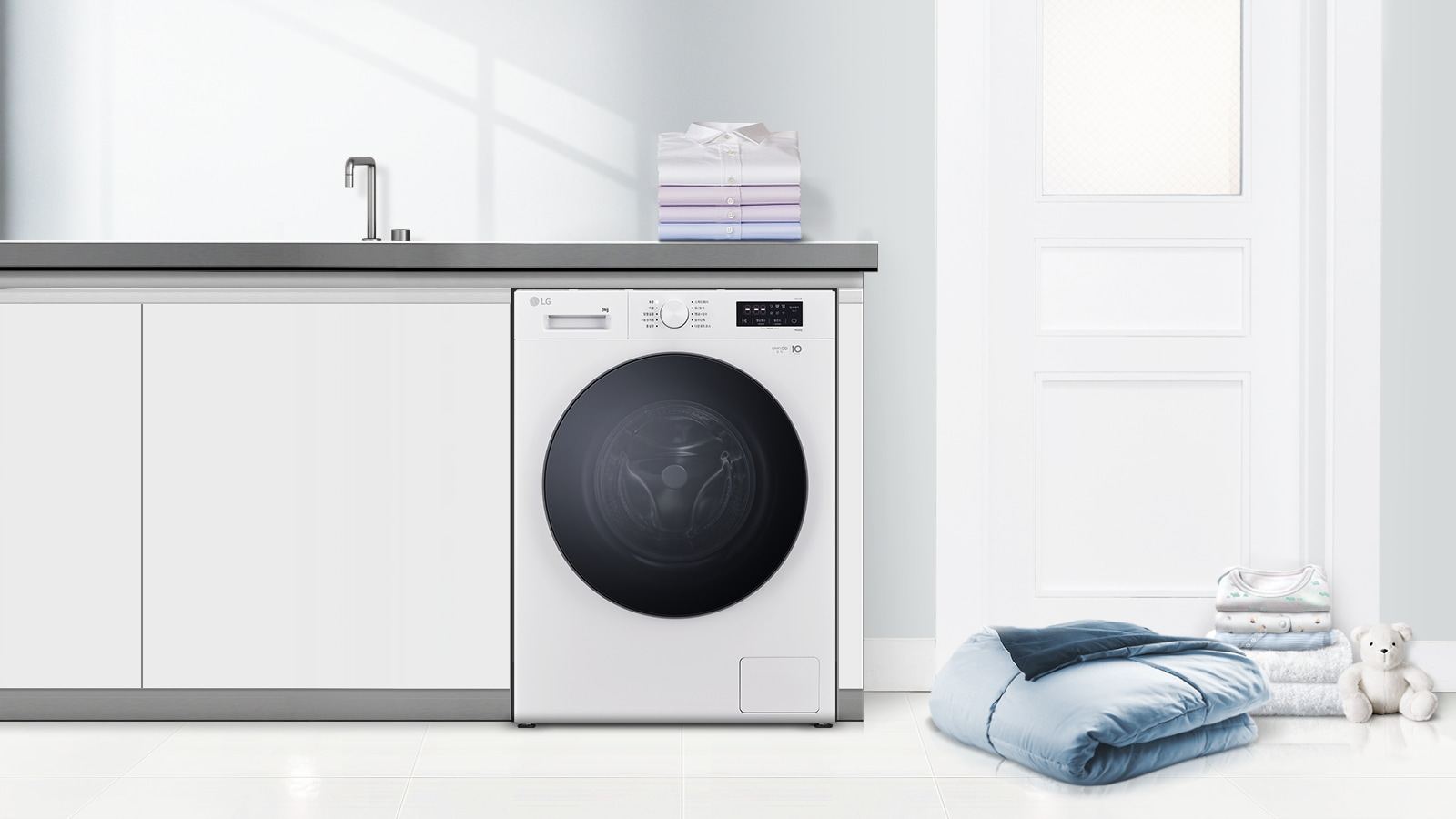
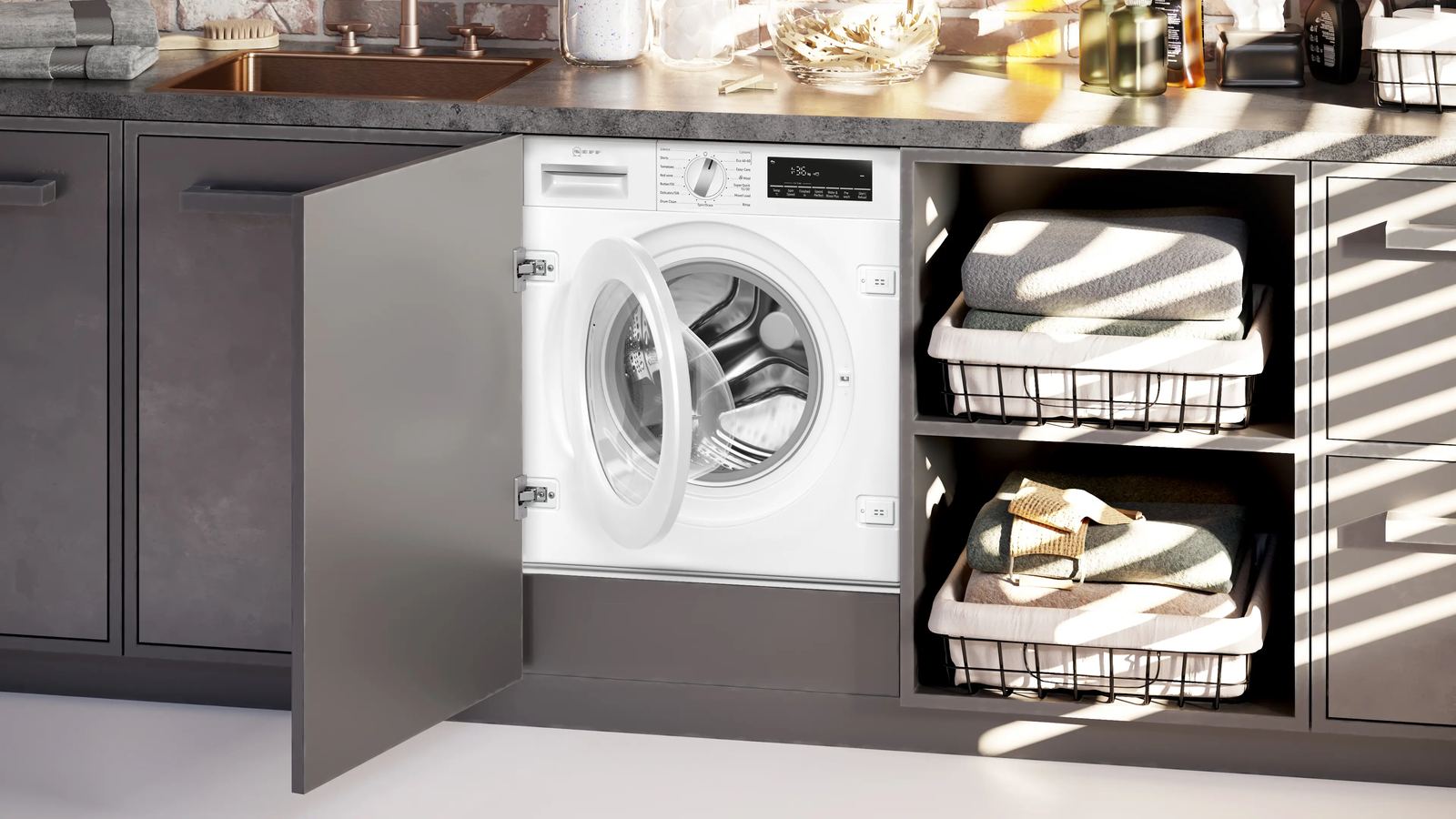
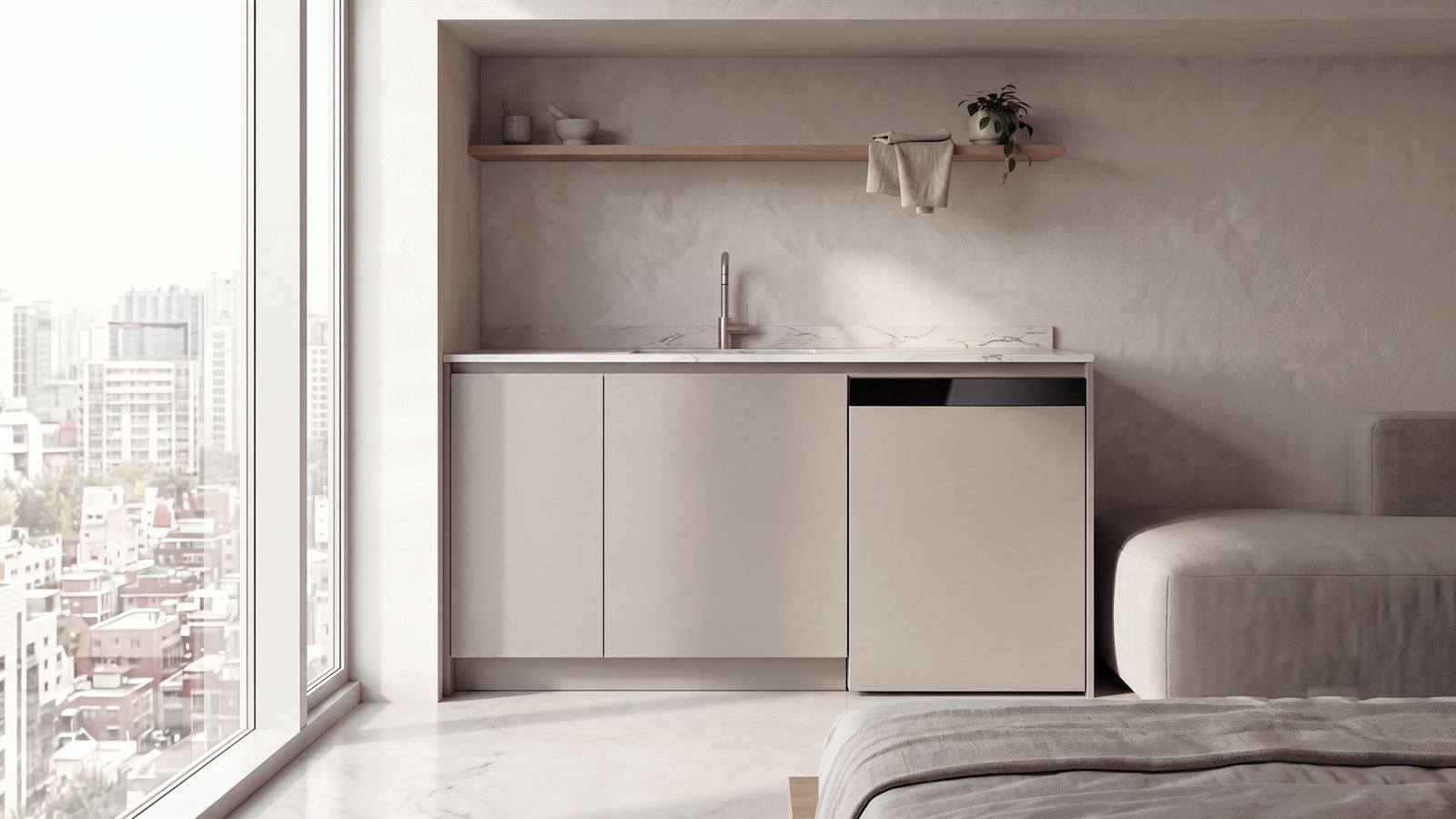
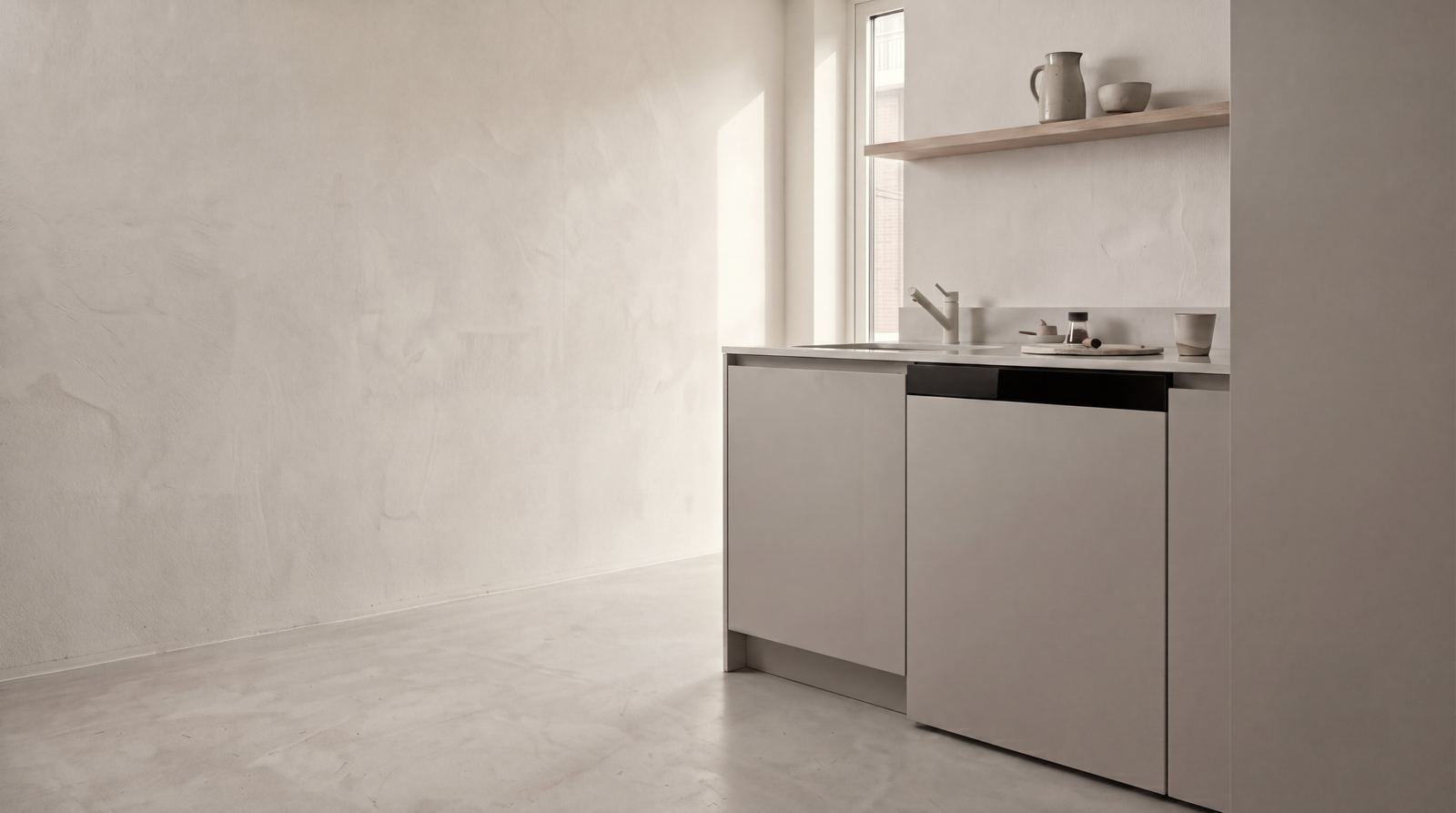
9~10kg 세탁기가 주로 놓이는 곳은 원룸과 오피스텔의 주방입니다. 그런데 원형 포트홀과 노출된 조작부는 주방의 인상을 해칩니다.
인테리어가 곧 월세가 되는 공유 주거와 단기 숙소라면 더 그렇습니다.
저는 이 공간을, 세탁기를 주방 수납장처럼 감춘 제품이 없던 시장으로 봤습니다.
A 9–10kg washer usually lands in the kitchen of a studio flat, where a round porthole and exposed controls break the room — even more so in co-living and short-stay housing, where the interior is the rent. I read that as a market with no washer that hides like a cabinet.


해결Decision
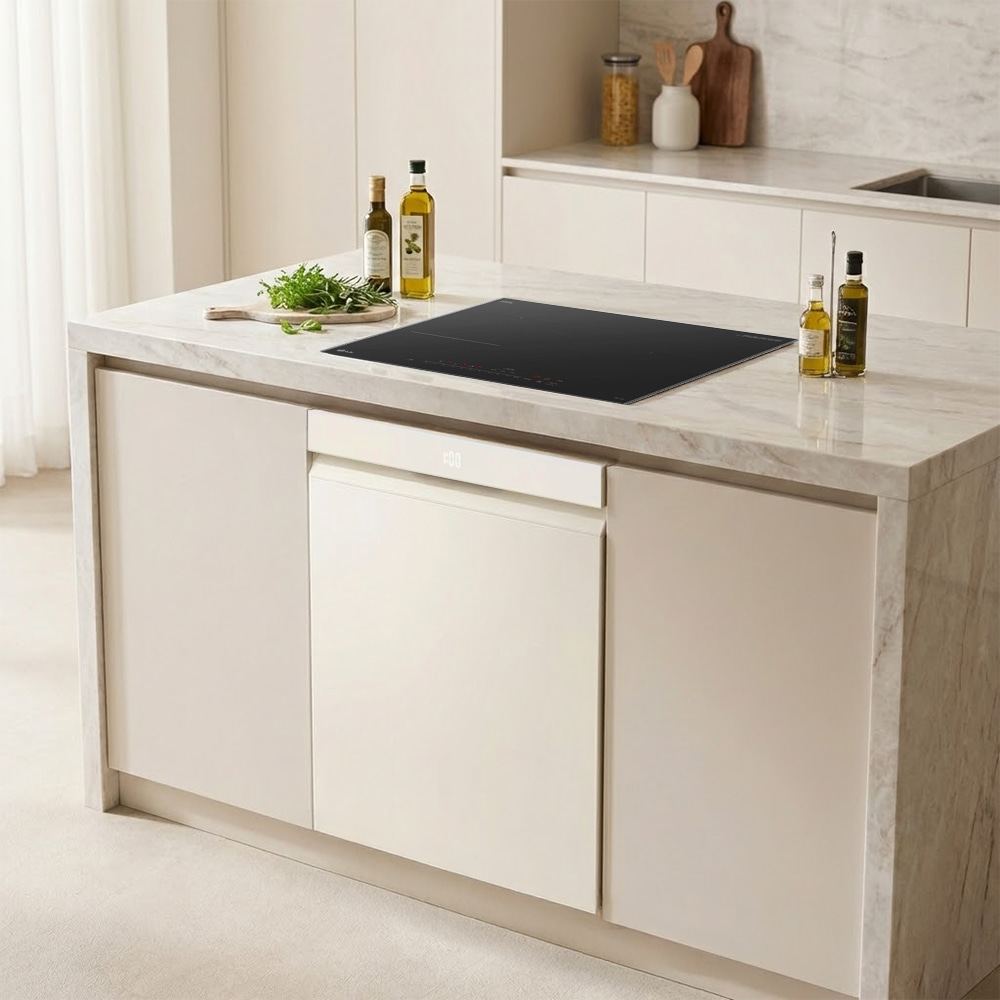
주방이 이미 받아들인 세척 가전, 식기세척기의 문법을 세탁기에 옮겨왔습니다.
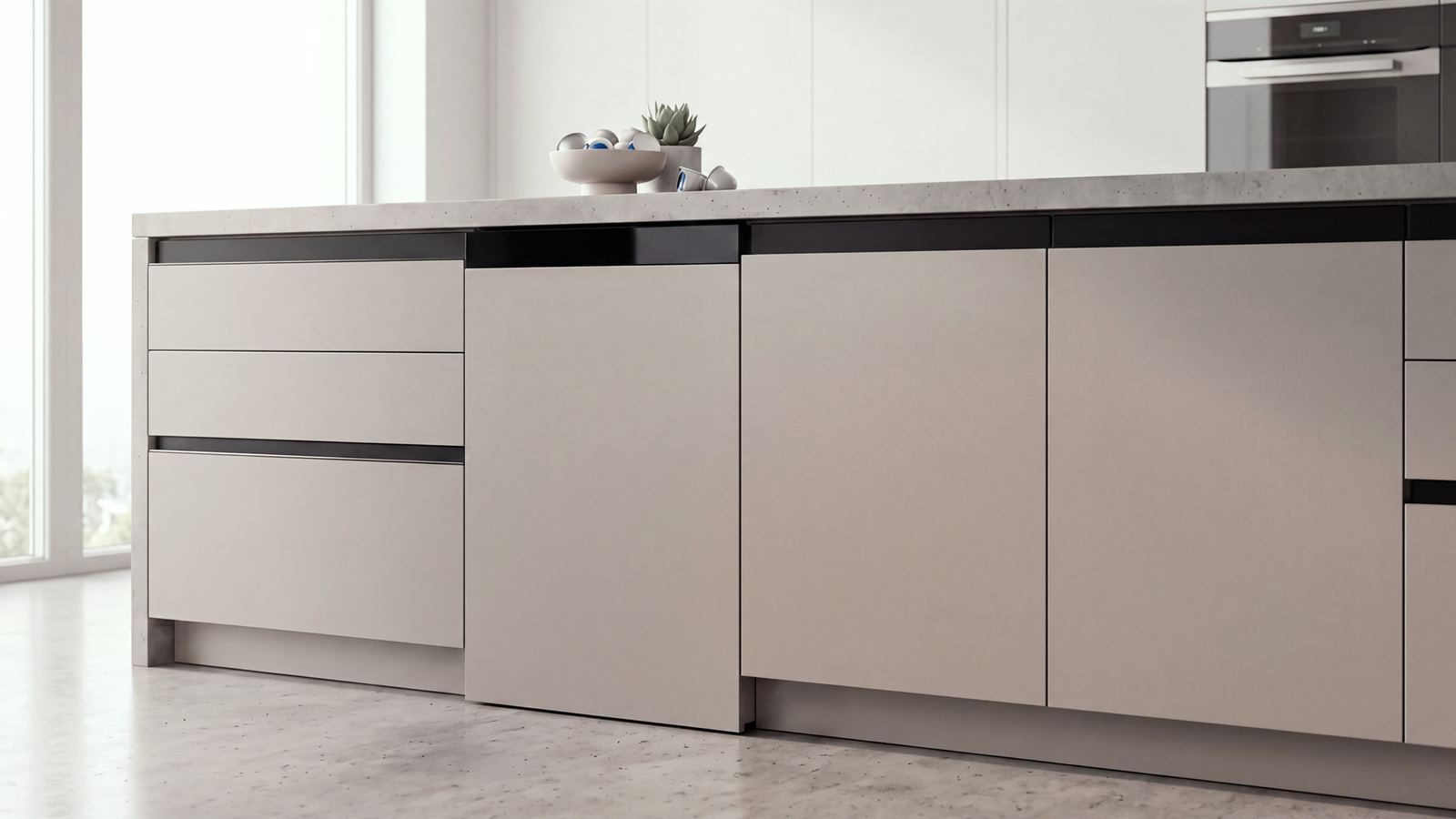
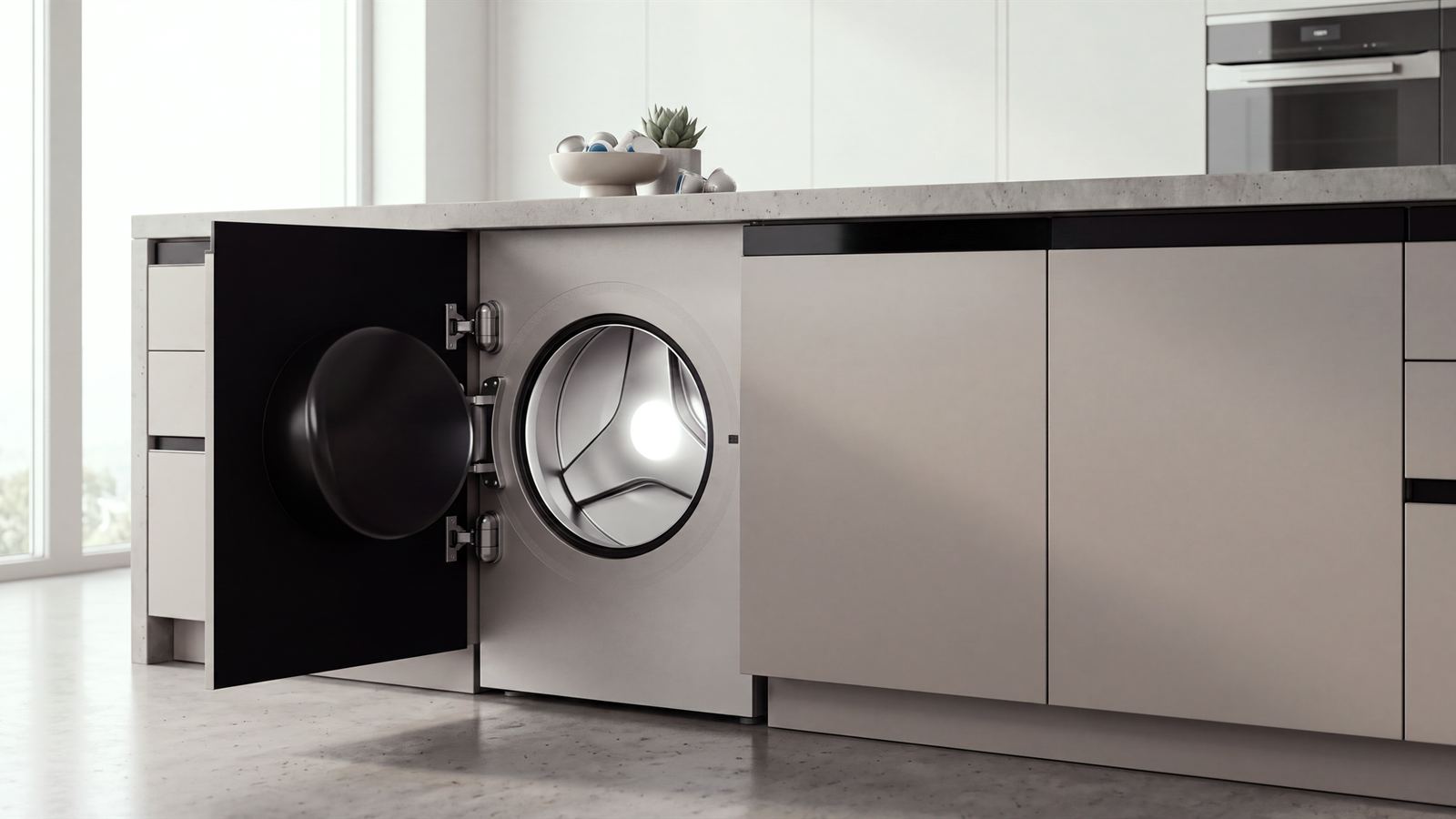
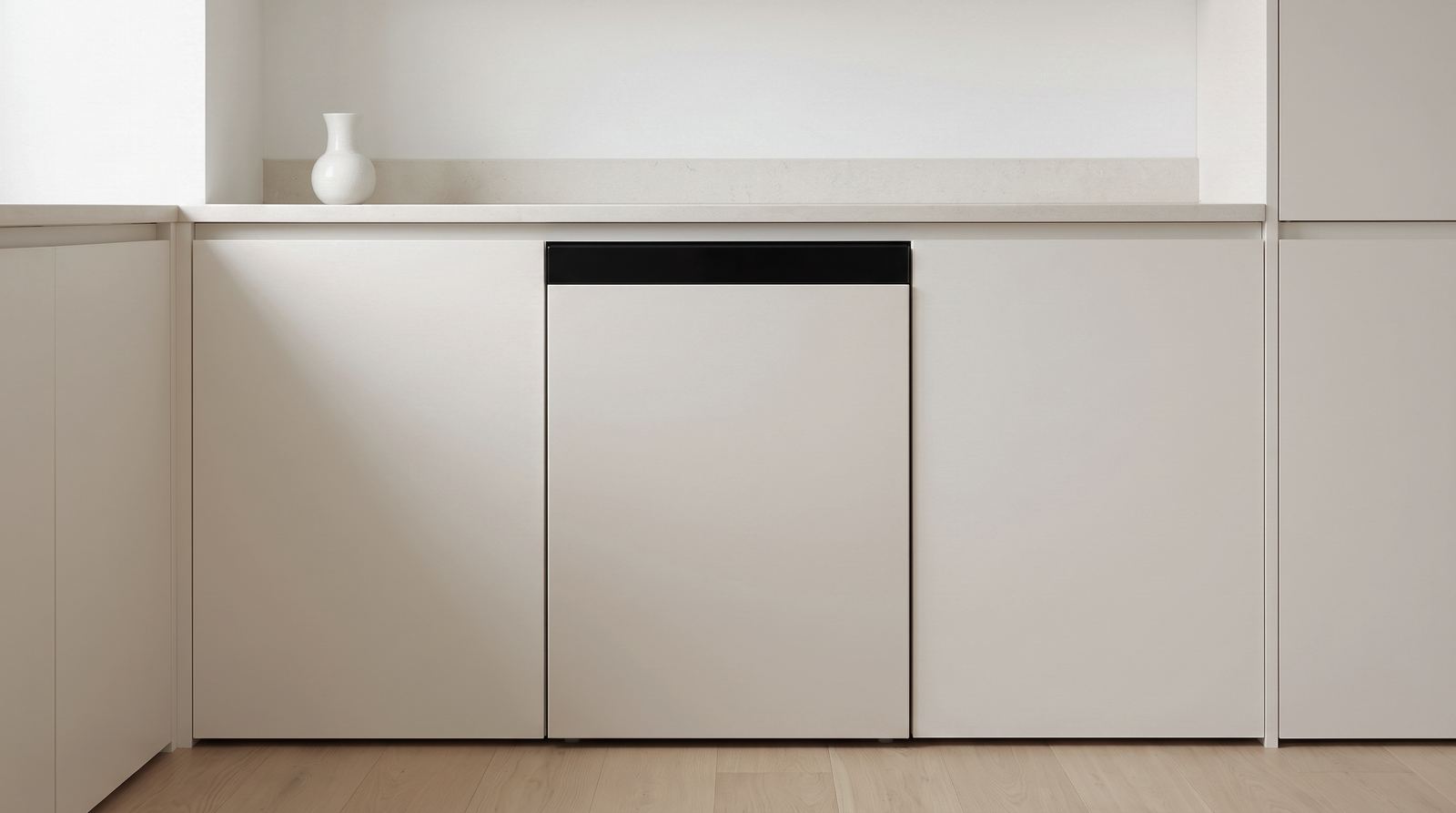
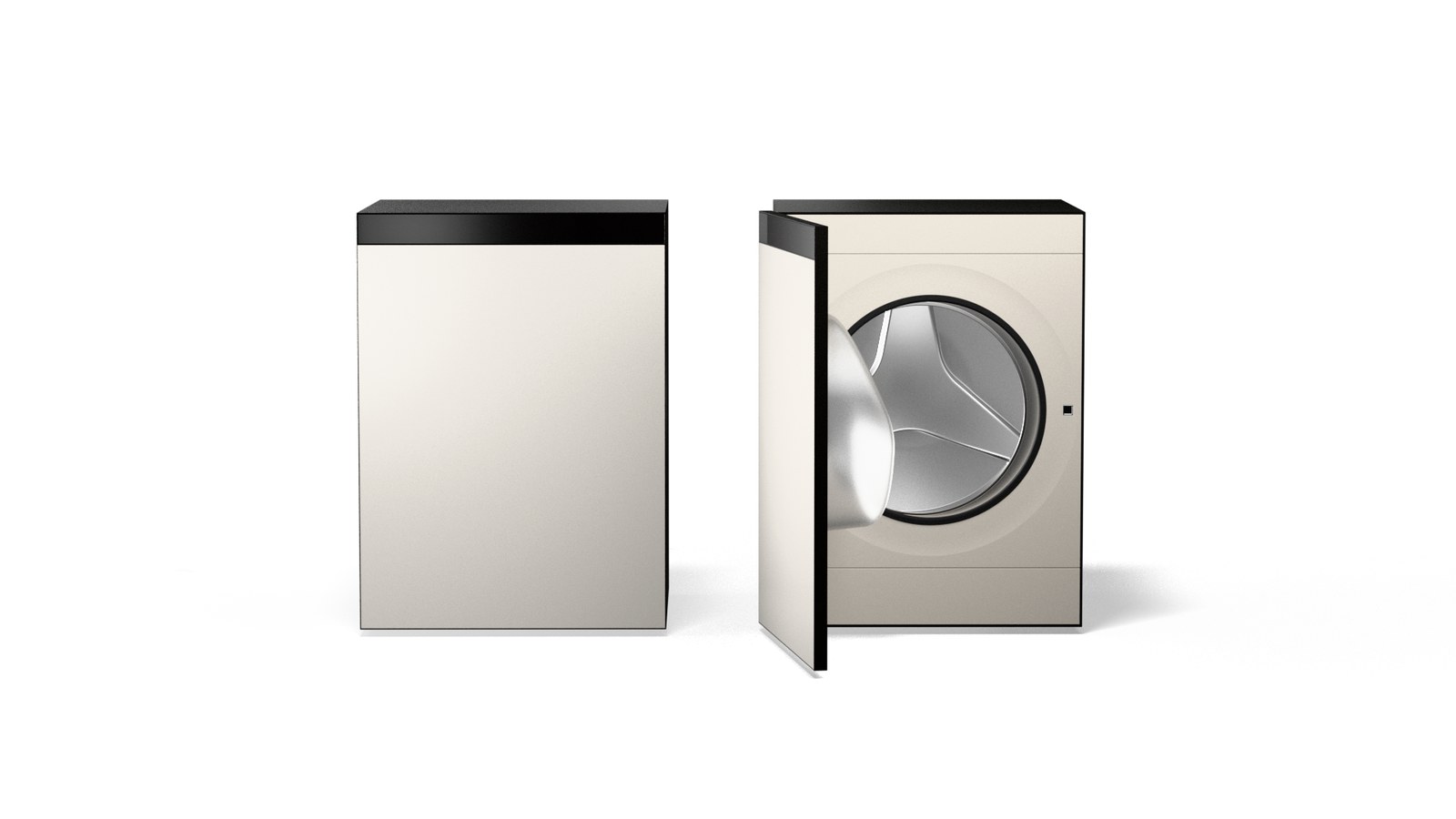
전면은 수납장과 같은 평면으로 덮고, 조작부는 상단의 얇은 띠 안에 넣었습니다.
방마다 같은 주방을 유지해야 하는 공유 주거에서도, 세탁기는 수납장 한 칸이 됩니다.
The dishwasher is the one cleaning appliance kitchens already accept, so I moved its grammar across: the front sits flush with the cabinets and the controls hide in a thin band at the top.


결과Outcome
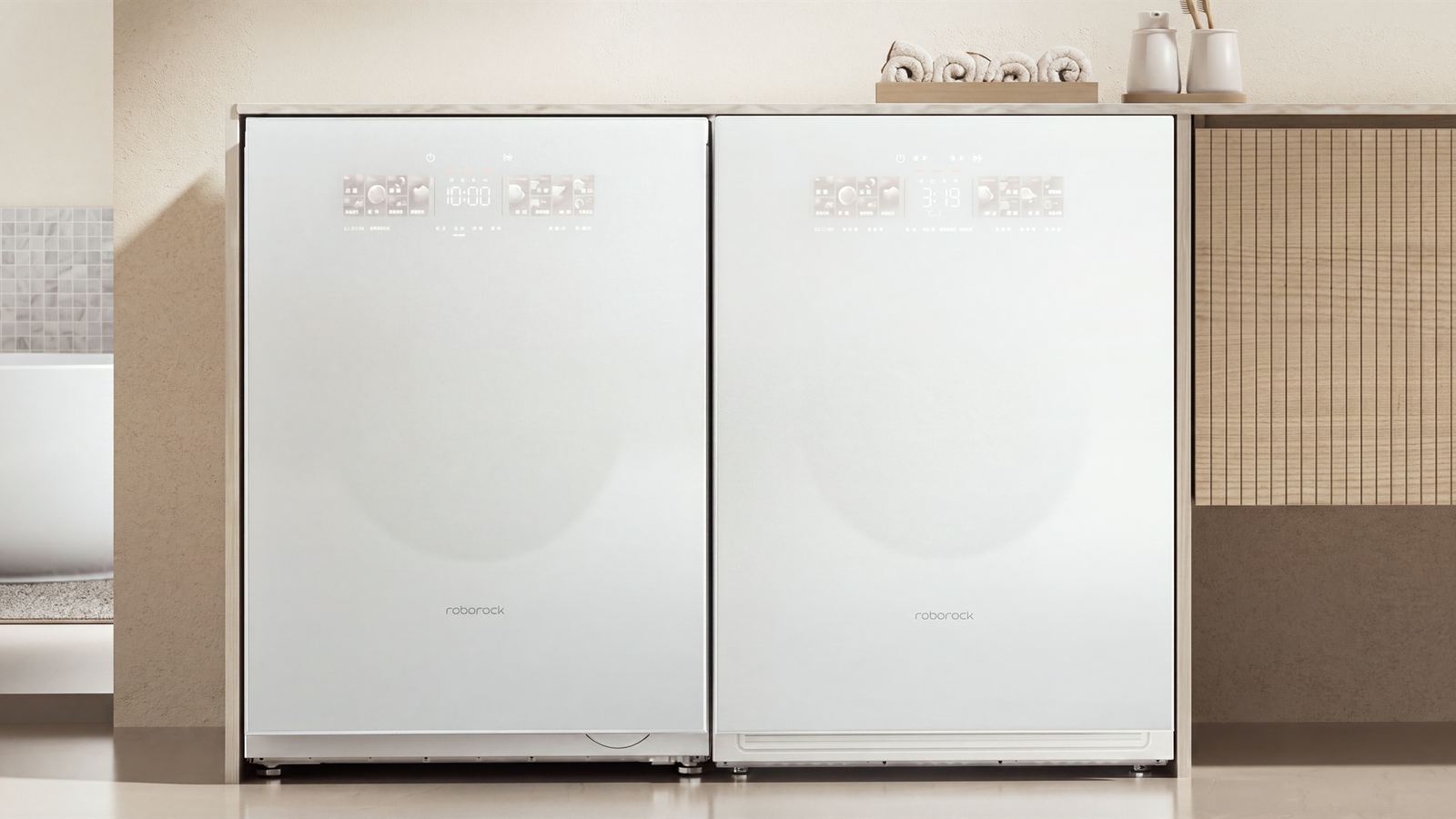
같은 제안을 두 번 하려면 근거가 달라져야 한다는 것을 이 과제에서 배웠습니다. 두 번째 제안에서 폼팩터와 설치 시나리오를 바꾼 것도 그래서였습니다.
This project taught me that proposing the same thing twice only works if the grounds change — which is why the second attempt came with a different format and a different installation scenario.